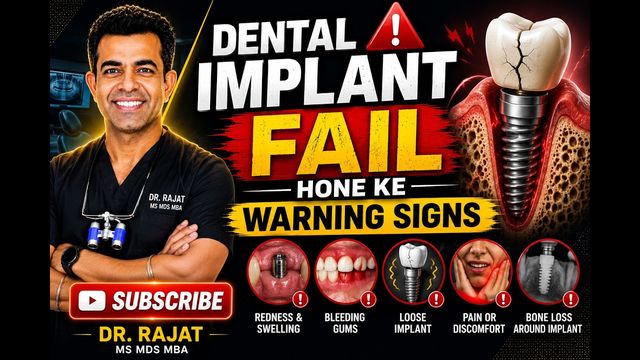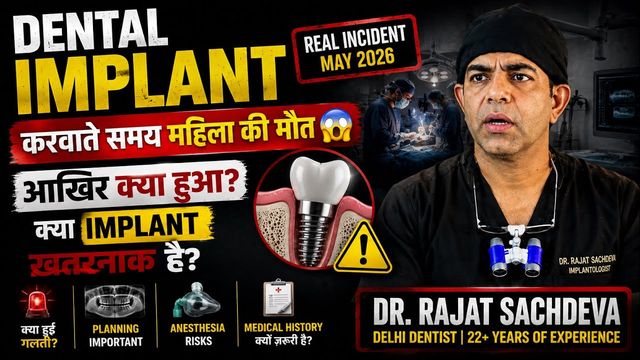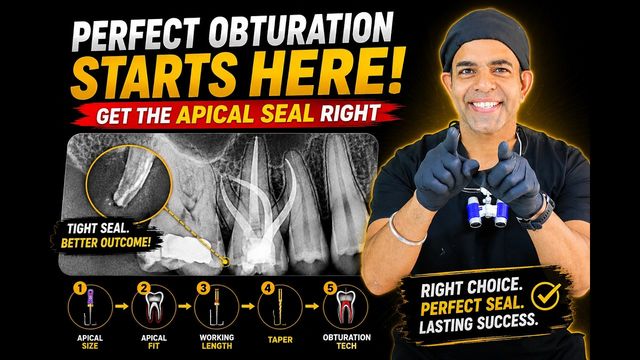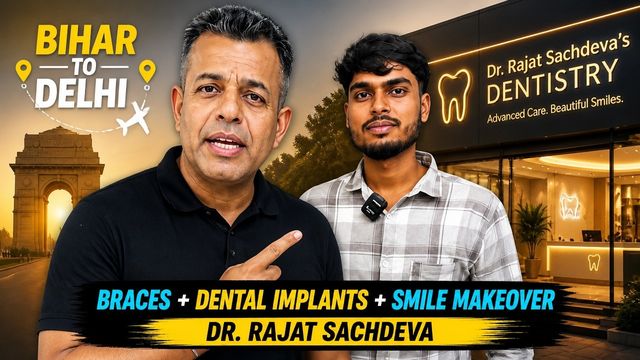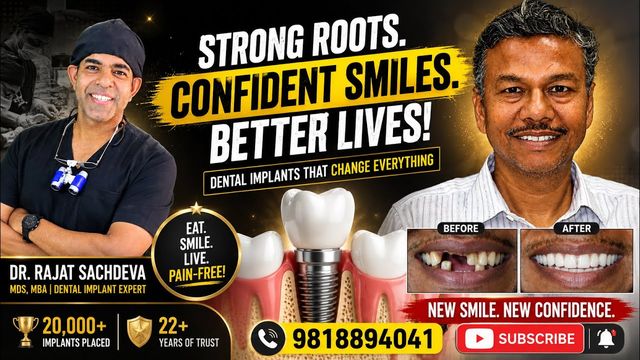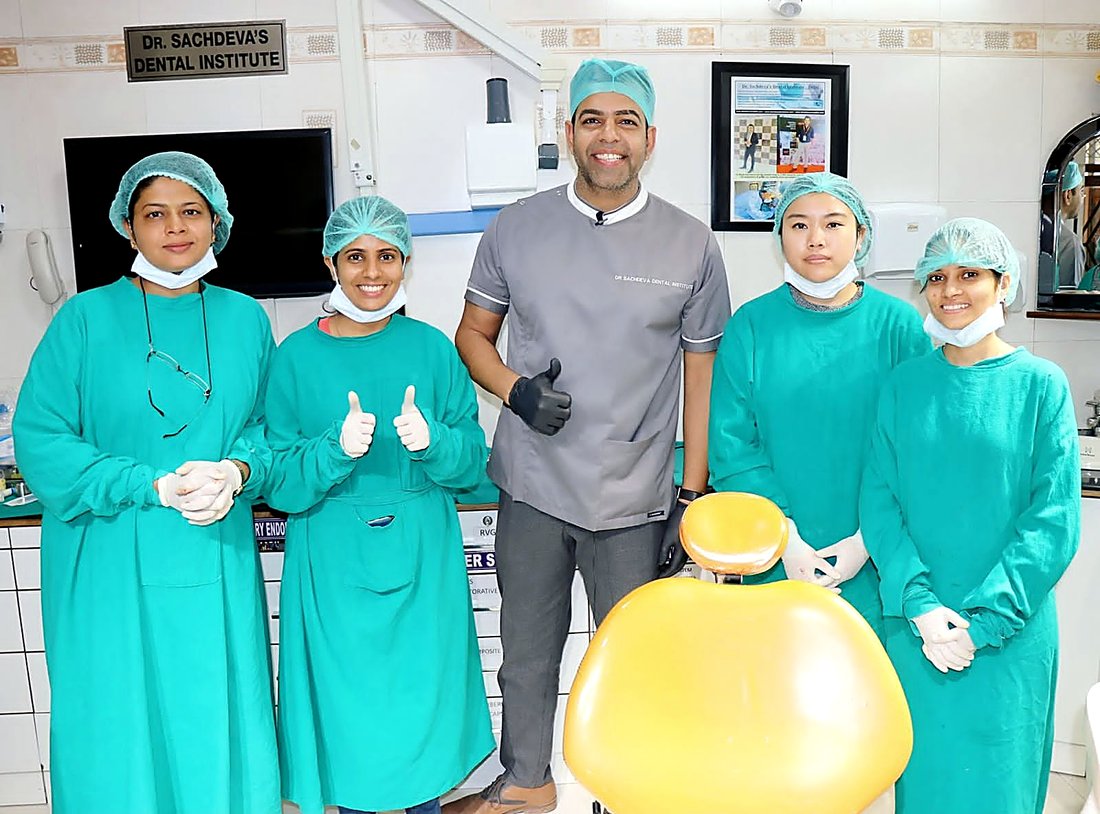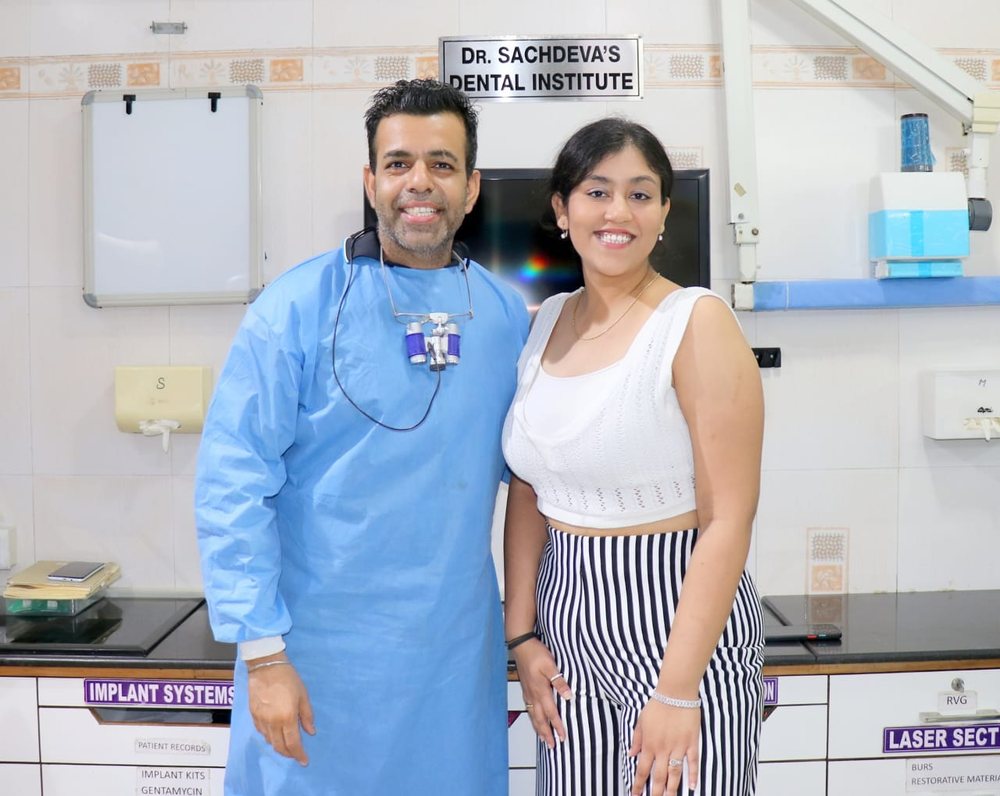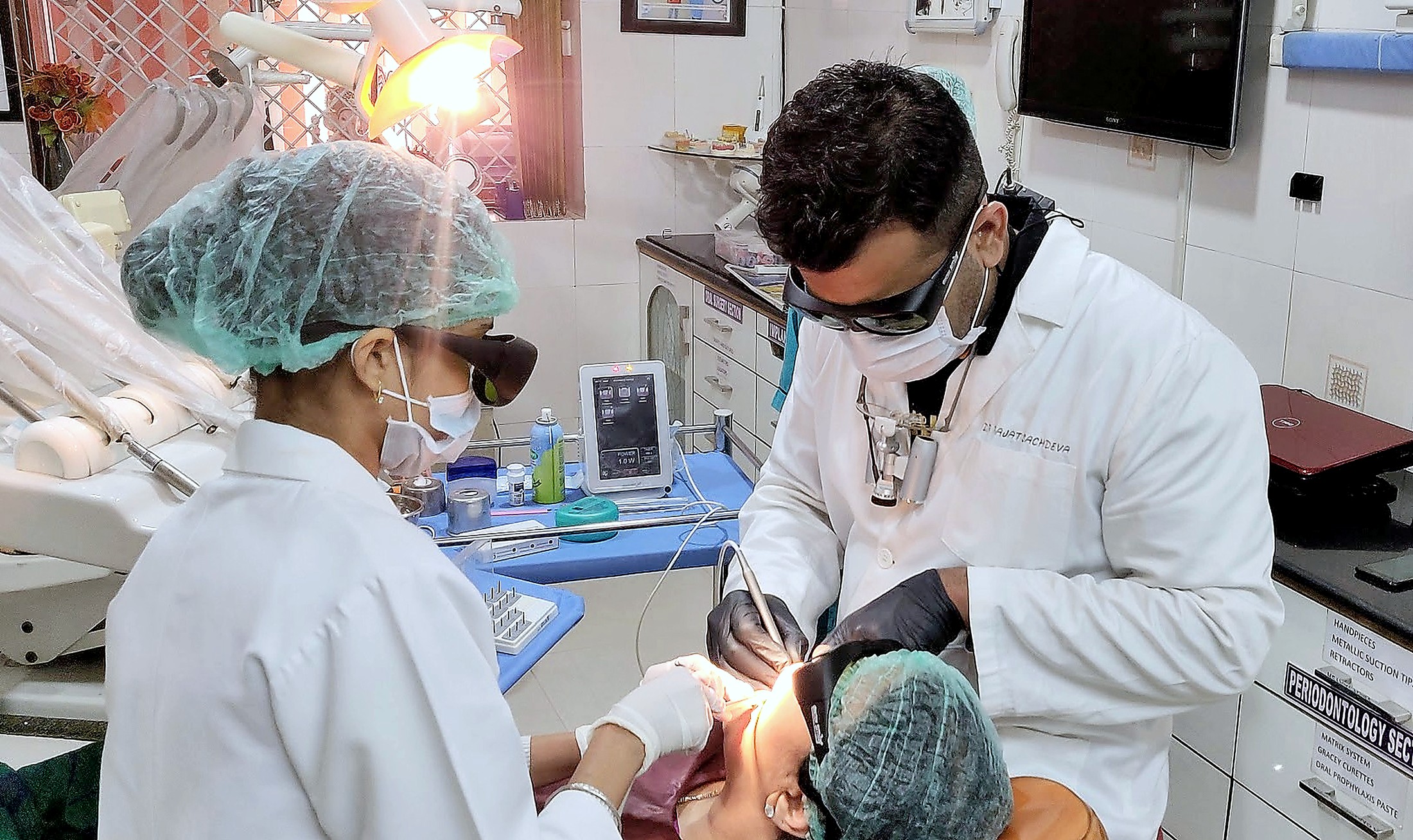
Dr. Rajat Sachdeva, MDS MBA — 22 years placing implants, and a training institute where practising dentists come to learn the technique.
Not enough bone. A failed implant that needs redoing. A full arch to rebuild. These are the referrals Dr. Sachdeva takes — and the reason patients arrive from Singapore, Dubai, Australia and the USA.
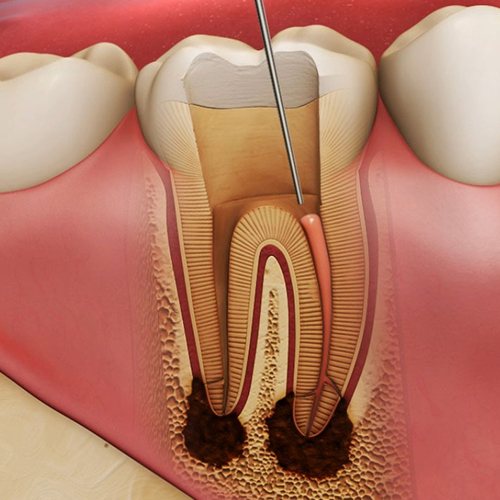
A CBCT scan before anything is decided. You see the same images the surgeon does — including whether the bone can hold an implant at all.
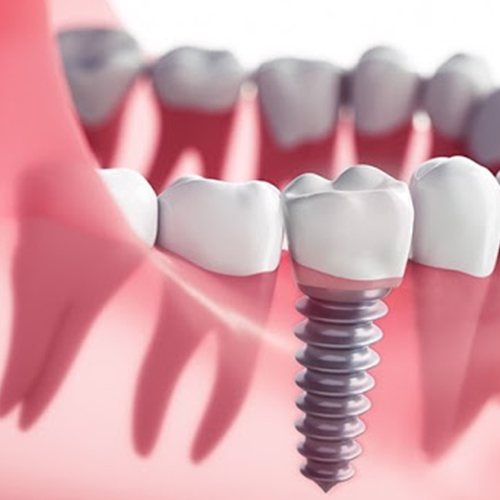
Stages, timeline and cost before treatment starts. If an implant is the wrong answer for your case, you will be told that instead.
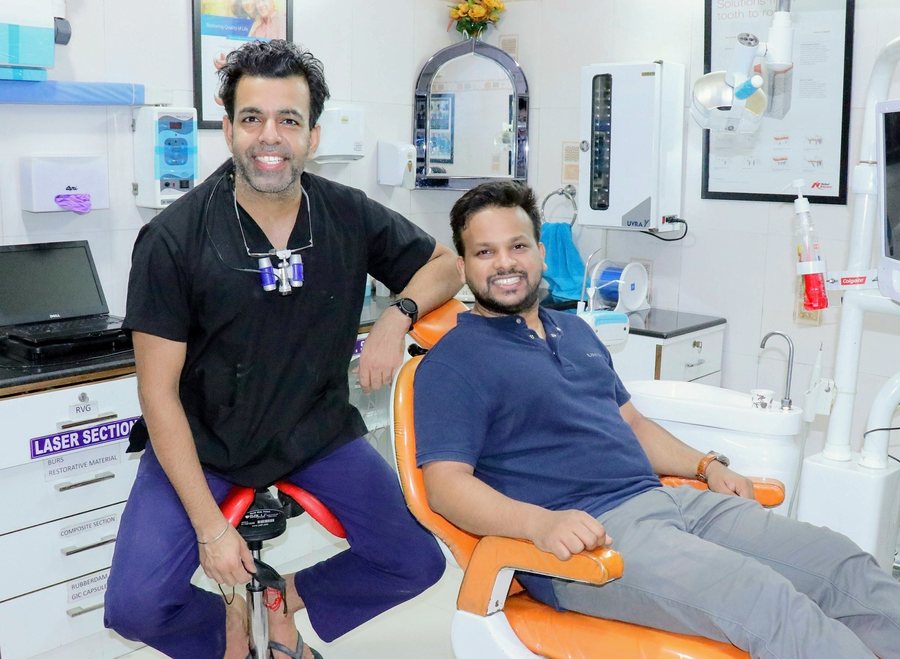
The surgery follows the same protocol Dr. Rajat teaches to practising dentists at his institute — done by him, not delegated.
Implantology is the specialisation. The clinic covers the full range of restorative and cosmetic work around it.

Single tooth to full arch — including zygomatic and basal cases other clinics refer on.
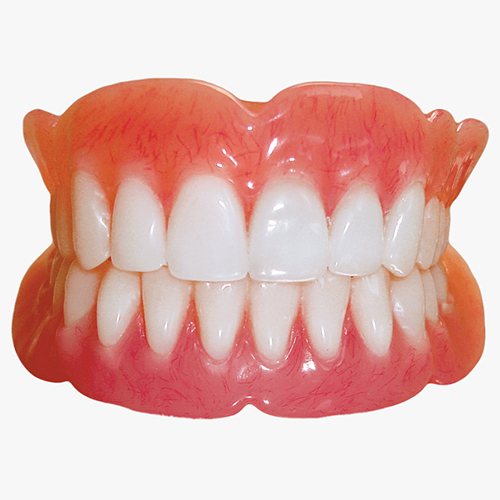
A complete fixed set of teeth secured on four to six implants, loaded fast.

Saving the natural tooth using magnification and modern rotary technique.
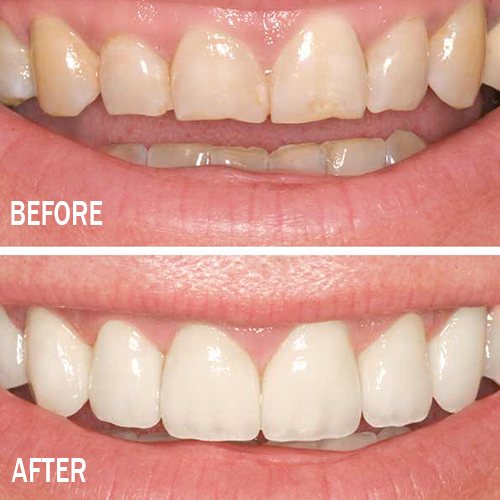
Shape, shade and proportion planned digitally before a tooth is touched.
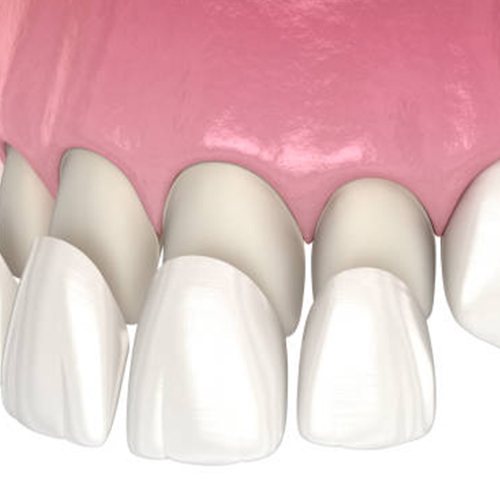
Thin ceramic shells for chipped, worn, misaligned or stained front teeth.
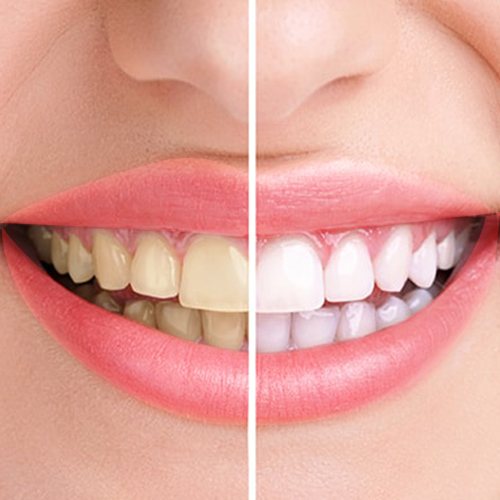
Professional in-clinic whitening with a predictable, even result.
Patients come from Singapore, Dubai, Australia, the UK and the USA — usually after being told at home that their case was too complex, or quoted several times the price for the same work.
Send your existing scan on WhatsApp and the treatment plan and visit are worked out before you book a flight.
You are quoted over the phone, from a flat X-ray or from nothing at all. Nobody has measured your bone. The real plan appears once you are already committed — and "we'll need a graft" arrives as a surprise.
Bone volume and nerve position measured in 3D first. You see your own scan with the surgeon, and leave with stages, timeline and cost written down — including an honest no if an implant is wrong for you.
57,000 subscribers follow Dr. Rajat's channel — including patients working out whether an implant is right for them.
Including the ones that exist specifically for patients told elsewhere that nothing could be done.

Anchored in the cheekbone when the upper jaw has almost no bone left. Fixed teeth without years of grafting first.

A full fixed arch on four to six implants, loaded quickly rather than over the months a staged approach takes.

Placed into dense cortical bone, allowing immediate loading where conventional implants would have to wait.

Shape, shade and proportion planned digitally before a single tooth is touched.

Thin ceramic shells matched to natural enamel for chipped, worn or stained front teeth.

Professional in-clinic whitening with a predictable, even result.
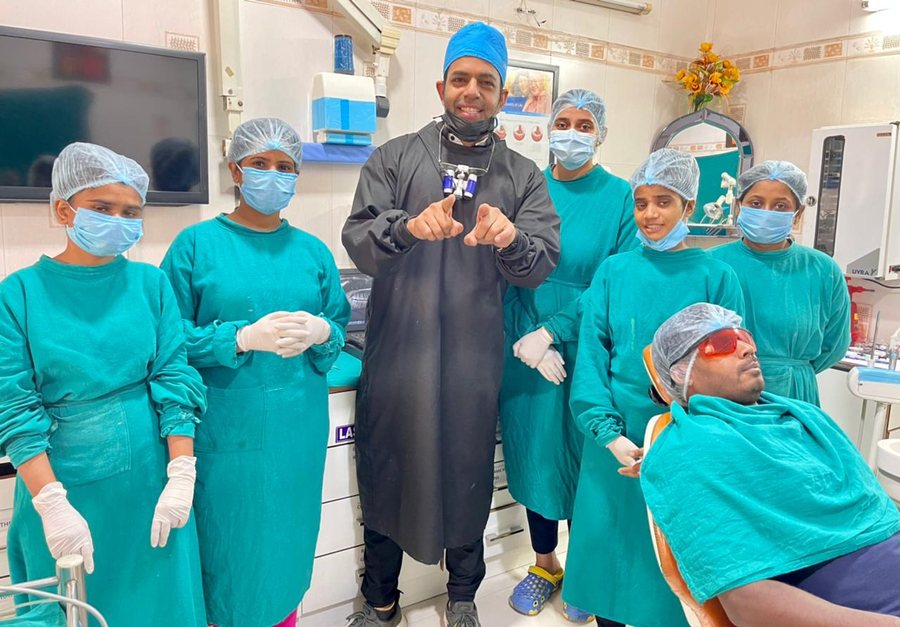
Dr. Rajat runs a training institute where practising dentists come to learn implantology — including zygomatic and pterygoid surgery, the techniques used when there is almost no bone left to work with.
For a patient, that is the signal worth reading. The person placing your implant is the person other dentists pay to learn from.
Twenty-plus programmes for practising dentists, from three-day intensives to master clinical tracks.

The full track — diagnosis, planning, surgical placement and prosthetic loading, on live cases.

The techniques for severely resorbed jaws, taught by a surgeon who places them weekly.

A condensed programme for dentists who need to start placing implants confidently.

Basic through advanced root canal technique, including microscope-assisted work.

Eight-day programme covering crown, bridge and full mouth rehabilitation.

Smile design, veneers and laser protocols for soft-tissue and whitening work.
Because dentists train here, the clinic operates to a protocol rather than to habit. Every case is scanned, planned and documented — the same standard Dr. Rajat has to demonstrate in front of a room of practising surgeons.
That is the practical benefit for a patient: nothing about your treatment is improvised.
Book a consultationIf any of these describe you, bring your scan — or have one taken here — and you will get an honest answer.
Zygomatic and basal implants exist precisely for this. So does grafting. "No bone" is rarely the end of it.
Failed implants can usually be removed, the site healed, and the case redone properly.
A full arch fixed on implants stops the movement and restores real chewing force.
Patients come from Singapore, Dubai, Australia and the USA. Send your scan and the visit is planned around your stages.

A 3D scan and a proper look at your bone. You leave knowing what is possible and what it costs — in writing.

Guided surgery under local anaesthetic. Immediate-loading cases can leave with fixed temporary teeth the same week.

Once the implant has integrated, the permanent crown, bridge or arch is fitted and adjusted to your bite.
Usually not. Bone grafting, sinus lifts, and zygomatic or basal implants exist for exactly that situation. Bring your scan and you will be told what is genuinely possible.
A well-placed implant in healthy bone, looked after properly, is designed to last decades. What matters most is the initial diagnosis, the bone it sits in, and gum health afterwards.
It is done under local anaesthetic and most patients report less discomfort than an extraction. You will know exactly what to expect for recovery before agreeing to anything.
It depends on your bone. Immediate-loading protocols such as All-on-4 can give fixed teeth within days; other cases need healing time first. The honest timeline comes after your scan.
It depends entirely on how many implants, whether grafting is needed, and which prosthesis. You get a written figure after the scan — not a range over the phone.
Yes. Patients come from Singapore, Dubai, Australia and the USA. Send your scan on WhatsApp and the visit is planned around your treatment stages.
Fill this in and it opens WhatsApp with your details ready to send. We confirm the time from there.
Usually not. Bone grafting, sinus lifts, and zygomatic or basal implants exist for exactly that situation. Bring your scan and you will be told what is genuinely possible.
A well-placed implant in healthy bone, looked after properly, is designed to last decades. What matters most is the initial diagnosis, the bone it sits in, and gum health afterwards.
It is done under local anaesthetic and most patients report less discomfort than an extraction. You will know exactly what to expect for recovery before agreeing to anything.
It depends on your bone. Immediate-loading protocols such as All-on-4 can give fixed teeth within days; other cases need healing time first. The honest timeline comes after your scan.
Yes. Patients come from Singapore, Dubai, Australia and the USA. Send your scan on WhatsApp and the visit is planned around your treatment stages.